
In today’s fast-paced world, maintaining optimal health can feel like an uphill battle. Yet the secret to vitality might be simpler than you think. The answer lies in nature’s candy—fresh fruits packed with vitamins, minerals, antioxidants, and fiber that your body craves daily. Understanding which fruits deserve a permanent spot in your daily diet can transform your health, boost your energy levels, and help prevent chronic diseases.
Why Daily Fruit Consumption Matters for Your Health
Before diving into specific fruits, it’s crucial to understand why making fruit a non-negotiable part of your daily routine matters so much. Fruits provide essential nutrients that your body cannot produce on its own, and they deliver these nutrients in a form that’s easily absorbed and utilized.
The World Health Organization recommends consuming at least 400 grams of fruits and vegetables daily, with fruits making up a significant portion of that intake. This recommendation isn’t arbitrary—it’s based on decades of research showing that adequate fruit consumption reduces the risk of heart disease, stroke, certain cancers, and digestive problems.
Fruits are naturally low in calories, virtually fat-free, and rich in dietary fiber, which promotes healthy digestion and helps maintain a healthy weight. They’re also loaded with antioxidants that combat oxidative stress and inflammation, two underlying factors in most chronic diseases.
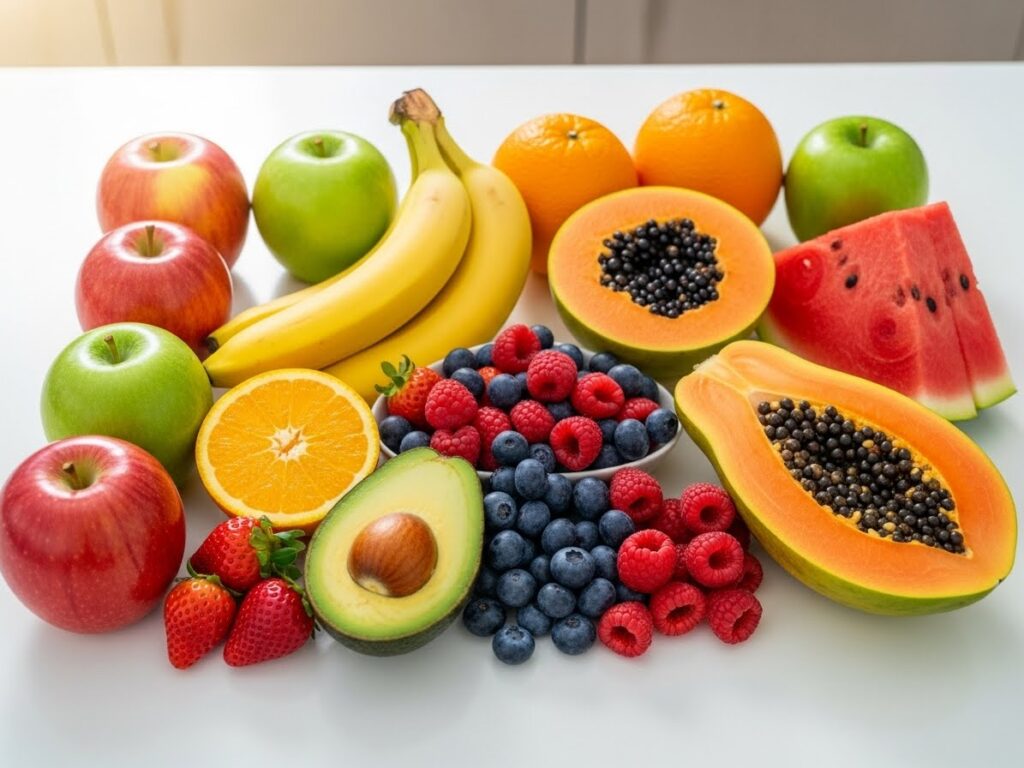
The Essential Fruits You Should Eat Every Day
1. Bananas: The Energy Powerhouse
Bananas deserve the top spot on any daily fruit list. These yellow wonders are incredibly convenient, require no preparation, and pack a serious nutritional punch. A medium banana contains about 105 calories and provides approximately 3 grams of fiber, 422 milligrams of potassium, and significant amounts of vitamin B6 and vitamin C.
Health Benefits:
- Potassium in bananas helps regulate blood pressure and supports heart health
- Natural sugars provide quick energy, making them perfect pre-workout snacks
- Resistant starch in slightly green bananas feeds beneficial gut bacteria
- Vitamin B6 supports brain health and helps produce serotonin, the mood-regulating hormone
The versatility of bananas makes them easy to incorporate into your daily routine. Slice them over your morning oatmeal, blend them into smoothies, or simply grab one as you head out the door.
2. Apples: The Original Superfood
There’s truth to the old saying, “An apple a day keeps the doctor away.” Apples are rich in fiber, vitamin C, and various antioxidants, particularly quercetin, which has anti-inflammatory properties. A medium apple contains about 95 calories and 4 grams of fiber.
Health Benefits:
- High in pectin, a type of fiber that feeds good gut bacteria and improves digestive health
- Quercetin and other polyphenols reduce inflammation and may lower cancer risk
- Regular apple consumption is linked to lower cholesterol levels and improved heart health
- The fiber and water content help you feel full, supporting weight management efforts
Choose organic apples when possible, as conventional apples often contain pesticide residues. Eat the skin—that’s where most of the nutrients and fiber reside.

3. Berries: Nature’s Antioxidant Bombs
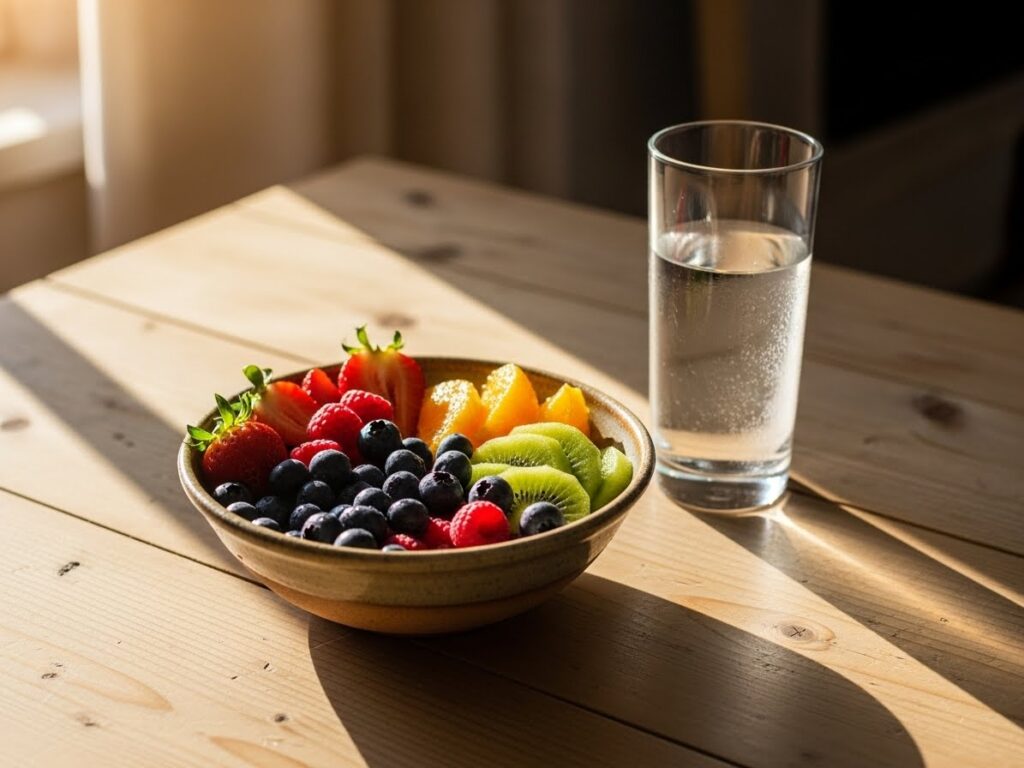
Blueberries, strawberries, raspberries, and blackberries should rotate through your daily fruit intake. These colorful gems are among the most nutrient-dense foods on the planet. Berries are particularly rich in anthocyanins, powerful antioxidants that give them their vibrant colors.
Health Benefits:
- Exceptionally high antioxidant content protects cells from damage and slows aging
- Regular berry consumption improves brain function and may delay age-related cognitive decline
- Anti-inflammatory properties benefit heart health and reduce disease risk
- Low glycemic index makes them suitable for blood sugar management
A cup of mixed berries provides only about 70-80 calories but delivers vitamin C, manganese, fiber, and a host of beneficial plant compounds. Add them to yogurt, blend them into smoothies, or enjoy them fresh as a snack.
4. Oranges: The Vitamin C Champions
Oranges and other citrus fruits are synonymous with vitamin C, and for good reason. One medium orange provides over 100% of your daily vitamin C needs, along with fiber, folate, and potassium. The bright orange color comes from beta-carotene, which your body converts to vitamin A.
Health Benefits:
- Vitamin C boosts immune function and helps your body absorb iron from plant foods
- Antioxidants in oranges reduce inflammation and protect against chronic disease
- Fiber content supports digestive health and helps maintain stable blood sugar
- Folate is essential for cell growth and is particularly important during pregnancy
While orange juice is popular, eating whole oranges is far superior. The whole fruit provides fiber that slows sugar absorption and keeps you feeling satisfied longer.
5. Avocados: The Healthy Fat Fruit
Yes, avocados are fruits, and they’re unlike any other on this list. While most fruits are high in carbohydrates, avocados are loaded with healthy monounsaturated fats, specifically oleic acid, which benefits heart health. Half an avocado contains about 160 calories but provides fiber, potassium, vitamin K, folate, and vitamin E.
Health Benefits:
- Healthy fats improve cholesterol levels and support cardiovascular health
- High potassium content (more than bananas) helps regulate blood pressure
- Loaded with antioxidants that benefit eye health, particularly lutein and zeaxanthin
- Increases nutrient absorption from other plant foods when eaten together
Add avocado slices to your morning toast, blend them into smoothies for creaminess, or use them to make nutrient-rich guacamole.
6. Kiwis: The Digestive Health Champion
These fuzzy brown fruits with bright green flesh are nutritional powerhouses often overlooked. Two medium kiwis provide more vitamin C than an orange, along with vitamin K, vitamin E, folate, and potassium. They’re also unique in containing actinidin, an enzyme that aids protein digestion.
Health Benefits:
- Exceptionally high vitamin C content supports immune function and skin health
- The enzyme actinidin improves digestion and reduces bloating
- High fiber content promotes regular bowel movements and supports gut health
- May improve sleep quality when consumed before bedtime
Kiwis can be eaten with a spoon straight from the skin (which is edible and nutrient-rich) or added to fruit salads and smoothies.
7. Watermelon: The Hydration Hero
With 92% water content, watermelon is the ultimate hydrating fruit, especially important during hot weather or after exercise. Don’t let the high water content fool you—watermelon also provides vitamins A and C, lycopene, and citrulline, an amino acid with various health benefits.
Health Benefits:
- Excellent for hydration while providing essential nutrients
- Lycopene, a powerful antioxidant, supports heart health and may reduce cancer risk
- Citrulline may improve exercise performance and reduce muscle soreness
- Low in calories (only about 46 calories per cup) while satisfying sweet cravings
Enjoy fresh watermelon chunks as a refreshing snack, blend them into smoothies, or freeze pieces for a healthy frozen treat.
8. Papaya: The Digestive Enzyme Fruit
Papayas contain papain, a digestive enzyme that breaks down proteins and eases digestive discomfort. This tropical fruit is also rich in vitamin C, vitamin A, folate, and various antioxidants. One cup of papaya chunks contains only 62 calories.
Health Benefits:
- Papain enzyme aids digestion and may reduce bloating and constipation
- High antioxidant content fights inflammation and oxidative stress
- Vitamin A and C support skin health and may reduce signs of aging
- May reduce the risk of age-related macular degeneration
Papaya makes an excellent breakfast fruit, pairs well with lime juice, and can be blended into tropical smoothies.
How to Incorporate These Fruits Into Your Daily Routine
Knowing which fruits to eat is only half the battle—you need practical strategies to make daily fruit consumption a lasting habit.
Morning Strategies: Start your day with a fruit-forward breakfast. Add sliced bananas and berries to your oatmeal or cereal. Blend multiple fruits into a nutrient-packed smoothie. Pair your eggs with fresh orange slices or grapefruit halves.
Snack Smart: Keep washed and cut fruit in clear containers at eye level in your refrigerator. Visibility increases consumption. Pack an apple or banana in your work bag for mid-afternoon energy slumps. Prepare mixed berry containers for grab-and-go snacking.
Dessert Alternatives: Satisfy your sweet tooth with naturally sweet fruits instead of processed desserts. Frozen grapes taste like candy. Baked apples with cinnamon provide warmth and comfort. Berry parfaits with yogurt create a dessert-like experience without the guilt.
Meal Enhancement: Add fruit to savory dishes for flavor complexity. Avocado belongs on sandwiches and salads. Mango or pineapple salsa complements grilled chicken or fish. Apple slices pair beautifully with cheese and nuts.
Understanding Fruit Serving Sizes
A serving of fruit generally equals one medium piece of whole fruit (like an apple or orange), one cup of cut fruit or berries, half a cup of dried fruit, or one-fourth of a large fruit like melon. Aim for at least two to three servings daily, preferably from different fruit categories to maximize nutritional diversity.
Fresh vs. Frozen vs. Dried: What’s Best?
Fresh Fruits are ideal when in season and locally available. They provide maximum nutrients and natural hydration. However, they’re perishable and may lose nutrients during transportation and storage.
Frozen Fruits are often frozen at peak ripeness, preserving nutrients effectively. They’re convenient, economical, and perfect for smoothies. Studies show frozen fruits retain most of their nutritional value, sometimes even surpassing fresh fruits that have been stored long.
Dried Fruits are concentrated sources of nutrients but also concentrated in natural sugars and calories. A small portion goes a long way. They’re excellent for travel and long-term storage but should be consumed in moderation and preferably without added sugars.
Common Mistakes to Avoid
Relying Solely on Juice: Fruit juice lacks fiber and concentrates sugars, causing blood sugar spikes. Always choose whole fruits over juice when possible.
Ignoring Variety: Eating only one or two types of fruit limits your nutrient intake. Different colors provide different phytonutrients, so aim for rainbow variety.
Forgetting Portion Control with High-Sugar Fruits: While fruit sugar is natural, calories still count. Be mindful of portions, especially with dried fruits and tropical fruits like mango and pineapple.
Skipping the Skin: Many nutrients concentrate in or just beneath the skin. Wash fruits thoroughly and eat the skin when safe and appropriate.
Special Considerations for Different Life Stages
For Children: Make fruits fun and accessible. Cut them into interesting shapes, create fruit kabobs, or blend them into popsicles. Children who see parents eating fruit regularly are more likely to develop the habit themselves.
For Athletes: Time fruit consumption around workouts. Bananas and dates provide quick energy before exercise. Watermelon and berries offer hydration and antioxidants afterward, supporting recovery.
For Seniors: Focus on fruits rich in antioxidants and fiber to support healthy aging. Berries, citrus fruits, and papaya provide nutrients that support cognitive function, eye health, and digestive regularity.
For People with Diabetes: Choose lower-glycemic fruits like berries, apples, and pears. Pair fruits with protein or healthy fats to slow sugar absorption. Monitor portions and spread fruit consumption throughout the day.
The Bottom Line: Making Fruits a Daily Non-Negotiable
Incorporating essential fruits into your daily diet isn’t just about following health recommendations—it’s about investing in your long-term wellbeing. The fruits highlighted in this guide provide a comprehensive range of vitamins, minerals, antioxidants, and fiber that work synergistically to protect your health, boost your energy, and help you feel your best.
Start small if daily fruit consumption is new to you. Add one additional fruit serving this week, then gradually increase. Before long, reaching for an apple or preparing a berry bowl will become as automatic as your morning coffee.
Your body is remarkably intelligent—when you consistently fuel it with nutrient-dense whole foods like these essential fruits, it rewards you with improved energy, better mood, clearer skin, stronger immunity, and reduced disease risk. The investment of a few dollars and minutes each day pays dividends in health and vitality that compound over time.
Make these fruits your daily companions, and you’ll be giving your body exactly what it needs to thrive. The path to better health doesn’t require complicated supplements or restrictive diets—sometimes the most powerful medicine grows on trees, waiting to nourish and heal you one delicious bite at a time.






No comment yet, add your voice below!