This Surprising Discovery Shows Your Favorite Carbs Could Be Slowing Your Metabolism and Causing Weight Gain Without Overeating

This Surprising Discovery Shows Your Favorite Carbs Could Be Slowing Your Metabolism and Causing Weight Gain Without Overeating

You’ve probably been there. You’re watching what you eat, you’re not gorging yourself at every meal, your calorie count looks reasonable — and yet, the scale keeps creeping up. You suspect the bread basket. You suspect the dinner rolls. You suspect the toast you have every morning. But everyone around you keeps saying “a calorie is a calorie,” so you brush it off and wonder if you’re just bad at math.

Well, turns out your instincts may have been right this whole time. A new study out of Osaka Metropolitan University published in April 2026 in the journal Molecular Nutrition & Food Research is turning some of our most basic assumptions about weight gain on their head — and it puts carb-heavy staple foods like bread, rice, and wheat squarely in the spotlight.

Here’s the kicker: the weight gain they observed wasn’t caused by eating more calories. It was caused by burning fewer of them. That’s a distinction that changes pretty much everything about how we should think about carbs.

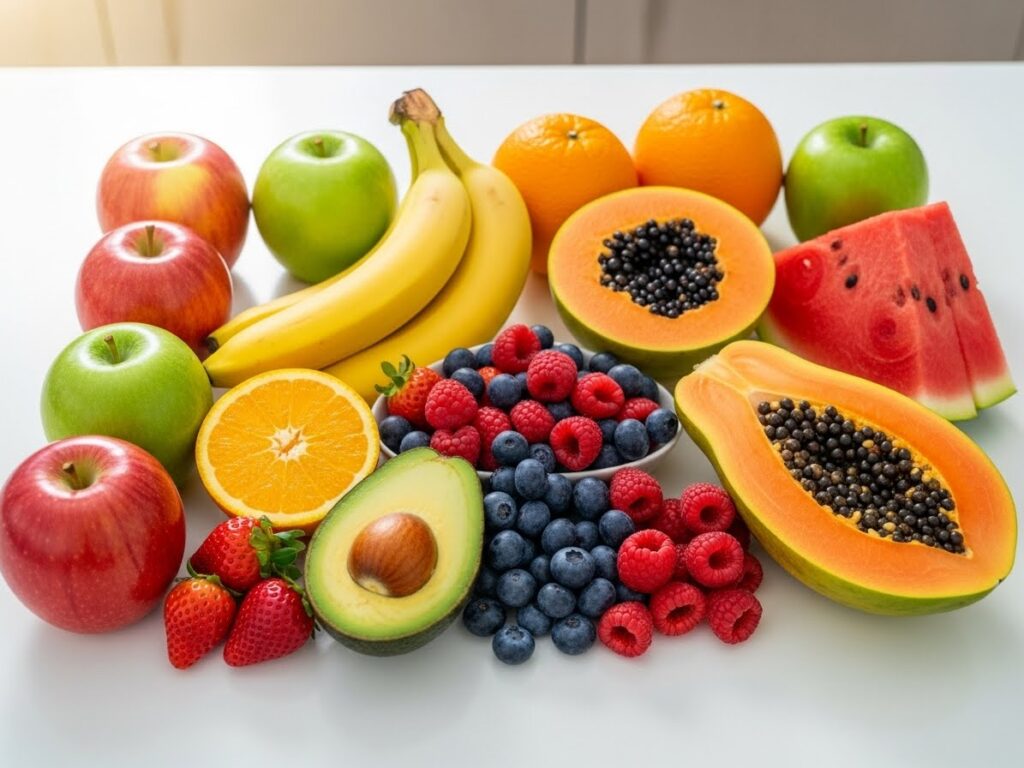
Fuel Your Body Right: Essential Fruits Your Body Needs Every Single Day

The Study That Challenged Everything We Thought About Carbs

For decades, obesity research has been dominated by one big villain: dietary fat. High-fat diets have been the go-to model in lab studies, and public health messaging has long painted fat as the primary culprit behind weight gain. Carbohydrates — especially everyday staples like bread and rice — got a relative pass, treated as neutral fillers rather than metabolic disruptors.

But here’s the thing: most people around the world don’t eat high-fat diets. They eat bread. They eat rice. They eat noodles. These are the foods that show up at breakfast, lunch, and dinner across virtually every culture on the planet. And yet, their specific role in how our bodies manage weight and energy has been surprisingly understudied — until now.

Powerful New Formula To Support Healthy Weight Loss

Professor Shigenobu Matsumura and his team at Osaka Metropolitan University’s Graduate School of Human Life and Ecology set out to change that. They designed an experiment to look specifically at how mice responded to carbohydrate-rich foods — wheat flour, bread, and rice flour — and what happened to their metabolism over time.

📋 How the Study Was Designed

Researchers divided mice into several groups with different feeding combinations: standard chow only, chow paired with bread, chow paired with wheat flour, chow paired with rice flour, and high-fat diet variations with chow or wheat flour added. They tracked body weight, fat mass, energy expenditure, blood metabolite levels, and gene expression in the liver over the course of the study.

This multi-group design allowed the scientists to tease apart which effects were specific to wheat versus carbohydrates broadly, and how different diet combinations interacted with metabolism in unique ways.

What the Mice Did When Given a Choice

The first finding was striking on its own: when mice were given access to carb-rich foods alongside their standard diet, they overwhelmingly chose the carbs — and essentially stopped eating their regular chow altogether. Sound familiar? There’s a reason it’s nearly impossible to eat just one dinner roll.

This strong preference for carbohydrates isn’t just a quirk. It points to something real happening in the brain’s reward and appetite systems. Carbs, especially refined ones, are highly palatable. They hit the right notes neurologically. And once they’re on the menu, they tend to crowd everything else out.

“Weight gain may not be due to wheat-specific effects, but rather to a strong preference for carbohydrates and the associated metabolic changes.” — Professor Shigenobu Matsumura

But here’s where it gets really interesting. Despite shifting almost entirely to carbohydrate-heavy foods, the mice didn’t significantly increase their total calorie intake. They weren’t eating more. They were just eating differently. And yet, both their body weight and their body fat increased. The scale moved, the fat accumulated — without any extra calories coming in.

It’s Not About Eating More. It’s About Burning Less.

So if the mice weren’t overeating, why were they gaining weight? The researchers used a technique called indirect calorimetry — essentially measuring the gases the mice breathed out — to get a window into how their bodies were actually using energy. What they found was a clear reduction in energy expenditure.

In plain English: the mice were burning less energy after switching to carb-heavy diets. Their metabolism had slowed down. And that metabolic slowdown was enough to tip the balance toward fat storage, even without any increase in the number of calories consumed.

This is a fundamentally different explanation for weight gain than the one most of us grew up hearing. It’s not “you ate too much.” It’s “your body started operating at a lower metabolic rate.” The calories didn’t change. The calorie burning did.

Green Tea’s Fat-Burning Secret: Scientists Reveal How Natural Compounds Balance Metabolism

What Was Happening Inside Their Bodies

The metabolic changes went deeper than just slowing down. Blood analysis revealed two telling patterns: elevated levels of fatty acids circulating in the blood, and lower levels of essential amino acids. Meanwhile, liver tissue showed signs of increased fat accumulation, along with heightened activity in genes responsible for producing fatty acids and transporting lipids.

Think of the liver like your body’s metabolic command center. When genes related to fat production start ramping up their activity, it’s a sign the body is shifting into fat-storage mode. The blood markers confirmed it: more fat being built, fewer of the building blocks (amino acids) needed to maintain and repair lean tissue.

Key Metabolic Changes Observed

  • Significant reduction in overall energy expenditure (slower metabolism)
  • Elevated fatty acid levels in the bloodstream
  • Decreased levels of essential amino acids in circulation
  • Increased fat accumulation in liver tissue
  • Upregulated gene expression linked to fatty acid production and lipid transport
  • Weight and fat gains despite no significant increase in calorie intake

One other noteworthy finding: mice on a high-fat diet combined with wheat flour actually gained less weight than mice on a high-fat diet combined with standard chow. That’s counterintuitive, but it suggests the metabolic effects are more nuanced than “carbs bad, fat worse.” The interaction between different macronutrients matters in ways we’re only beginning to understand.

The Most Encouraging Part of the Study

Here’s the piece that should give you real hope: when wheat flour was removed from the diet, both the body weight increases and the metabolic abnormalities improved — and they improved quickly. The body didn’t need months to recalibrate. Pull back the carb-heavy staples, and the metabolism seemed willing to course-correct in a relatively short timeframe.

Powerful New Formula To Support Healthy Weight Loss

That’s actually a meaningful finding for anyone who’s ever done a low-carb reset and felt weirdly great within a couple of weeks. The biological explanation may be right here: your body wasn’t just losing water weight. It was restoring a healthier metabolic baseline.

But Wait — Should You Swear Off Bread Forever?

Not so fast. Before you clear every loaf from your kitchen, there are some important limitations to keep in mind. This study was conducted in mice, not humans. While animal models are genuinely useful for exploring metabolic mechanisms, they don’t always translate directly to human physiology. Our hormonal systems, gut microbiomes, activity levels, and dietary contexts are all far more complex.

The researchers themselves acknowledge this. Professor Matsumura stated that the next step is to shift the research focus to human subjects to verify how well these metabolic changes apply to real-world dietary habits. They’re also planning to explore the role of whole grains, fiber, protein pairings, and food processing methods — all factors that could meaningfully alter how carbohydrates affect human metabolism.

This is a crucial caveat. A slice of whole grain sourdough with olive oil and avocado is metabolically very different from a white dinner roll eaten alone. Fiber content, glycemic index, what else you’re eating alongside the carbs — these details matter enormously. The study used refined carbohydrate sources like wheat flour and white bread, not steel-cut oats or barley.

What This Means for How You Actually Eat

So what’s the practical takeaway for a real American trying to navigate the grocery store? A few things worth sitting with.

First, the “calories in, calories out” model of weight management, while not wrong, is clearly incomplete. Your metabolism isn’t a static furnace that burns a fixed number of calories regardless of what you eat. What you eat can change how much you burn. That’s a big deal, and this study adds to a growing body of research pointing in that direction.

Second, the extreme palatability of refined carbs is real and measurable. The mice didn’t choose bread over their regular food because they were weak-willed. They chose it because carbohydrate-rich, refined foods are genuinely harder to walk away from. That craving you feel for bread? It has a biological basis. Acknowledging that is the first step to making smarter choices around it.

Third, quality matters more than quantity. This research used refined wheat flour and white bread — not whole grains, not high-fiber carbs, not complex carbohydrates paired with protein and healthy fat. If your version of “eating bread” is a sourdough with seeds alongside eggs and greens, that’s a completely different metabolic story than a plain white roll on an empty stomach. How you eat carbs is at least as important as whether you eat them.

Finally, balance and variety remain king. The metabolic problems in this study showed up when mice essentially replaced their whole diet with carbohydrate staples. Dietary monotony — building meals around any single macronutrient — appears to carry its own metabolic cost. A diverse diet that includes adequate protein, healthy fats, and fiber-rich carbs may be more protective than any one food could be on its own.

The Bottom Line

This research doesn’t prove that bread is poison, or that you should go full keto starting tomorrow, or that carbs are the sole driver of America’s obesity epidemic. What it does suggest, in a scientifically rigorous way, is that carbohydrate-heavy diets can slow your metabolism and promote fat storage even when your calorie intake stays the same — and that the body can recover relatively quickly when those foods are pulled back.

For the millions of Americans who have struggled with weight despite watching their portions, who’ve felt like their body was working against them for no clear reason, that finding is both validating and potentially actionable. It suggests that the composition of your diet — not just the total number of calories — has real power over your metabolic rate.

We’re still in the early chapters of this story. Human trials are next, and the full picture will take years to emerge. But the next time someone tells you “a calorie is a calorie,” you’ll have a little more science on your side when you raise an eyebrow at the bread basket.

Because it turns out — your gut was right all along.

Fuel Your Body Right: Essential Fruits Your Body Needs Every Single Day

Bananas are ideal for busy mornings or quick snacks when your body needs fuel fast.

In today’s fast-paced world, maintaining optimal health can feel like an uphill battle. Yet the secret to vitality might be simpler than you think. The answer lies in nature’s candy—fresh fruits packed with vitamins, minerals, antioxidants, and fiber that your body craves daily. Understanding which fruits deserve a permanent spot in your daily diet can transform your health, boost your energy levels, and help prevent chronic diseases.

Why Daily Fruit Consumption Matters for Your Health

Before diving into specific fruits, it’s crucial to understand why making fruit a non-negotiable part of your daily routine matters so much. Fruits provide essential nutrients that your body cannot produce on its own, and they deliver these nutrients in a form that’s easily absorbed and utilized.

The World Health Organization recommends consuming at least 400 grams of fruits and vegetables daily, with fruits making up a significant portion of that intake. This recommendation isn’t arbitrary—it’s based on decades of research showing that adequate fruit consumption reduces the risk of heart disease, stroke, certain cancers, and digestive problems.

Fruits are naturally low in calories, virtually fat-free, and rich in dietary fiber, which promotes healthy digestion and helps maintain a healthy weight. They’re also loaded with antioxidants that combat oxidative stress and inflammation, two underlying factors in most chronic diseases.

The Essential Fruits You Should Eat Every Day

1. Bananas: The Energy Powerhouse

Bananas deserve the top spot on any daily fruit list. These yellow wonders are incredibly convenient, require no preparation, and pack a serious nutritional punch. A medium banana contains about 105 calories and provides approximately 3 grams of fiber, 422 milligrams of potassium, and significant amounts of vitamin B6 and vitamin C.

Health Benefits:

  • Potassium in bananas helps regulate blood pressure and supports heart health
  • Natural sugars provide quick energy, making them perfect pre-workout snacks
  • Resistant starch in slightly green bananas feeds beneficial gut bacteria
  • Vitamin B6 supports brain health and helps produce serotonin, the mood-regulating hormone

The versatility of bananas makes them easy to incorporate into your daily routine. Slice them over your morning oatmeal, blend them into smoothies, or simply grab one as you head out the door.

2. Apples: The Original Superfood

There’s truth to the old saying, “An apple a day keeps the doctor away.” Apples are rich in fiber, vitamin C, and various antioxidants, particularly quercetin, which has anti-inflammatory properties. A medium apple contains about 95 calories and 4 grams of fiber.

Health Benefits:

  • High in pectin, a type of fiber that feeds good gut bacteria and improves digestive health
  • Quercetin and other polyphenols reduce inflammation and may lower cancer risk
  • Regular apple consumption is linked to lower cholesterol levels and improved heart health
  • The fiber and water content help you feel full, supporting weight management efforts

Choose organic apples when possible, as conventional apples often contain pesticide residues. Eat the skin—that’s where most of the nutrients and fiber reside.

3. Berries: Nature’s Antioxidant Bombs

Blueberries, strawberries, raspberries, and blackberries should rotate through your daily fruit intake. These colorful gems are among the most nutrient-dense foods on the planet. Berries are particularly rich in anthocyanins, powerful antioxidants that give them their vibrant colors.

Health Benefits:

  • Exceptionally high antioxidant content protects cells from damage and slows aging
  • Regular berry consumption improves brain function and may delay age-related cognitive decline
  • Anti-inflammatory properties benefit heart health and reduce disease risk
  • Low glycemic index makes them suitable for blood sugar management

A cup of mixed berries provides only about 70-80 calories but delivers vitamin C, manganese, fiber, and a host of beneficial plant compounds. Add them to yogurt, blend them into smoothies, or enjoy them fresh as a snack.

4. Oranges: The Vitamin C Champions

Oranges and other citrus fruits are synonymous with vitamin C, and for good reason. One medium orange provides over 100% of your daily vitamin C needs, along with fiber, folate, and potassium. The bright orange color comes from beta-carotene, which your body converts to vitamin A.

Health Benefits:

  • Vitamin C boosts immune function and helps your body absorb iron from plant foods
  • Antioxidants in oranges reduce inflammation and protect against chronic disease
  • Fiber content supports digestive health and helps maintain stable blood sugar
  • Folate is essential for cell growth and is particularly important during pregnancy

While orange juice is popular, eating whole oranges is far superior. The whole fruit provides fiber that slows sugar absorption and keeps you feeling satisfied longer.

5. Avocados: The Healthy Fat Fruit

Yes, avocados are fruits, and they’re unlike any other on this list. While most fruits are high in carbohydrates, avocados are loaded with healthy monounsaturated fats, specifically oleic acid, which benefits heart health. Half an avocado contains about 160 calories but provides fiber, potassium, vitamin K, folate, and vitamin E.

Health Benefits:

  • Healthy fats improve cholesterol levels and support cardiovascular health
  • High potassium content (more than bananas) helps regulate blood pressure
  • Loaded with antioxidants that benefit eye health, particularly lutein and zeaxanthin
  • Increases nutrient absorption from other plant foods when eaten together

Add avocado slices to your morning toast, blend them into smoothies for creaminess, or use them to make nutrient-rich guacamole.

6. Kiwis: The Digestive Health Champion

These fuzzy brown fruits with bright green flesh are nutritional powerhouses often overlooked. Two medium kiwis provide more vitamin C than an orange, along with vitamin K, vitamin E, folate, and potassium. They’re also unique in containing actinidin, an enzyme that aids protein digestion.

Health Benefits:

  • Exceptionally high vitamin C content supports immune function and skin health
  • The enzyme actinidin improves digestion and reduces bloating
  • High fiber content promotes regular bowel movements and supports gut health
  • May improve sleep quality when consumed before bedtime

Kiwis can be eaten with a spoon straight from the skin (which is edible and nutrient-rich) or added to fruit salads and smoothies.

7. Watermelon: The Hydration Hero

With 92% water content, watermelon is the ultimate hydrating fruit, especially important during hot weather or after exercise. Don’t let the high water content fool you—watermelon also provides vitamins A and C, lycopene, and citrulline, an amino acid with various health benefits.

Health Benefits:

  • Excellent for hydration while providing essential nutrients
  • Lycopene, a powerful antioxidant, supports heart health and may reduce cancer risk
  • Citrulline may improve exercise performance and reduce muscle soreness
  • Low in calories (only about 46 calories per cup) while satisfying sweet cravings

Enjoy fresh watermelon chunks as a refreshing snack, blend them into smoothies, or freeze pieces for a healthy frozen treat.

8. Papaya: The Digestive Enzyme Fruit

Papayas contain papain, a digestive enzyme that breaks down proteins and eases digestive discomfort. This tropical fruit is also rich in vitamin C, vitamin A, folate, and various antioxidants. One cup of papaya chunks contains only 62 calories.

Health Benefits:

  • Papain enzyme aids digestion and may reduce bloating and constipation
  • High antioxidant content fights inflammation and oxidative stress
  • Vitamin A and C support skin health and may reduce signs of aging
  • May reduce the risk of age-related macular degeneration

Papaya makes an excellent breakfast fruit, pairs well with lime juice, and can be blended into tropical smoothies.

How to Incorporate These Fruits Into Your Daily Routine

Knowing which fruits to eat is only half the battle—you need practical strategies to make daily fruit consumption a lasting habit.

Morning Strategies: Start your day with a fruit-forward breakfast. Add sliced bananas and berries to your oatmeal or cereal. Blend multiple fruits into a nutrient-packed smoothie. Pair your eggs with fresh orange slices or grapefruit halves.

Snack Smart: Keep washed and cut fruit in clear containers at eye level in your refrigerator. Visibility increases consumption. Pack an apple or banana in your work bag for mid-afternoon energy slumps. Prepare mixed berry containers for grab-and-go snacking.

Dessert Alternatives: Satisfy your sweet tooth with naturally sweet fruits instead of processed desserts. Frozen grapes taste like candy. Baked apples with cinnamon provide warmth and comfort. Berry parfaits with yogurt create a dessert-like experience without the guilt.

Meal Enhancement: Add fruit to savory dishes for flavor complexity. Avocado belongs on sandwiches and salads. Mango or pineapple salsa complements grilled chicken or fish. Apple slices pair beautifully with cheese and nuts.

Understanding Fruit Serving Sizes

A serving of fruit generally equals one medium piece of whole fruit (like an apple or orange), one cup of cut fruit or berries, half a cup of dried fruit, or one-fourth of a large fruit like melon. Aim for at least two to three servings daily, preferably from different fruit categories to maximize nutritional diversity.

Fresh vs. Frozen vs. Dried: What’s Best?

Fresh Fruits are ideal when in season and locally available. They provide maximum nutrients and natural hydration. However, they’re perishable and may lose nutrients during transportation and storage.

Frozen Fruits are often frozen at peak ripeness, preserving nutrients effectively. They’re convenient, economical, and perfect for smoothies. Studies show frozen fruits retain most of their nutritional value, sometimes even surpassing fresh fruits that have been stored long.

Dried Fruits are concentrated sources of nutrients but also concentrated in natural sugars and calories. A small portion goes a long way. They’re excellent for travel and long-term storage but should be consumed in moderation and preferably without added sugars.

Common Mistakes to Avoid

Relying Solely on Juice: Fruit juice lacks fiber and concentrates sugars, causing blood sugar spikes. Always choose whole fruits over juice when possible.

Ignoring Variety: Eating only one or two types of fruit limits your nutrient intake. Different colors provide different phytonutrients, so aim for rainbow variety.

Forgetting Portion Control with High-Sugar Fruits: While fruit sugar is natural, calories still count. Be mindful of portions, especially with dried fruits and tropical fruits like mango and pineapple.

Skipping the Skin: Many nutrients concentrate in or just beneath the skin. Wash fruits thoroughly and eat the skin when safe and appropriate.

Special Considerations for Different Life Stages

For Children: Make fruits fun and accessible. Cut them into interesting shapes, create fruit kabobs, or blend them into popsicles. Children who see parents eating fruit regularly are more likely to develop the habit themselves.

For Athletes: Time fruit consumption around workouts. Bananas and dates provide quick energy before exercise. Watermelon and berries offer hydration and antioxidants afterward, supporting recovery.

For Seniors: Focus on fruits rich in antioxidants and fiber to support healthy aging. Berries, citrus fruits, and papaya provide nutrients that support cognitive function, eye health, and digestive regularity.

For People with Diabetes: Choose lower-glycemic fruits like berries, apples, and pears. Pair fruits with protein or healthy fats to slow sugar absorption. Monitor portions and spread fruit consumption throughout the day.

The Bottom Line: Making Fruits a Daily Non-Negotiable

Incorporating essential fruits into your daily diet isn’t just about following health recommendations—it’s about investing in your long-term wellbeing. The fruits highlighted in this guide provide a comprehensive range of vitamins, minerals, antioxidants, and fiber that work synergistically to protect your health, boost your energy, and help you feel your best.

Start small if daily fruit consumption is new to you. Add one additional fruit serving this week, then gradually increase. Before long, reaching for an apple or preparing a berry bowl will become as automatic as your morning coffee.

Your body is remarkably intelligent—when you consistently fuel it with nutrient-dense whole foods like these essential fruits, it rewards you with improved energy, better mood, clearer skin, stronger immunity, and reduced disease risk. The investment of a few dollars and minutes each day pays dividends in health and vitality that compound over time.

Make these fruits your daily companions, and you’ll be giving your body exactly what it needs to thrive. The path to better health doesn’t require complicated supplements or restrictive diets—sometimes the most powerful medicine grows on trees, waiting to nourish and heal you one delicious bite at a time.

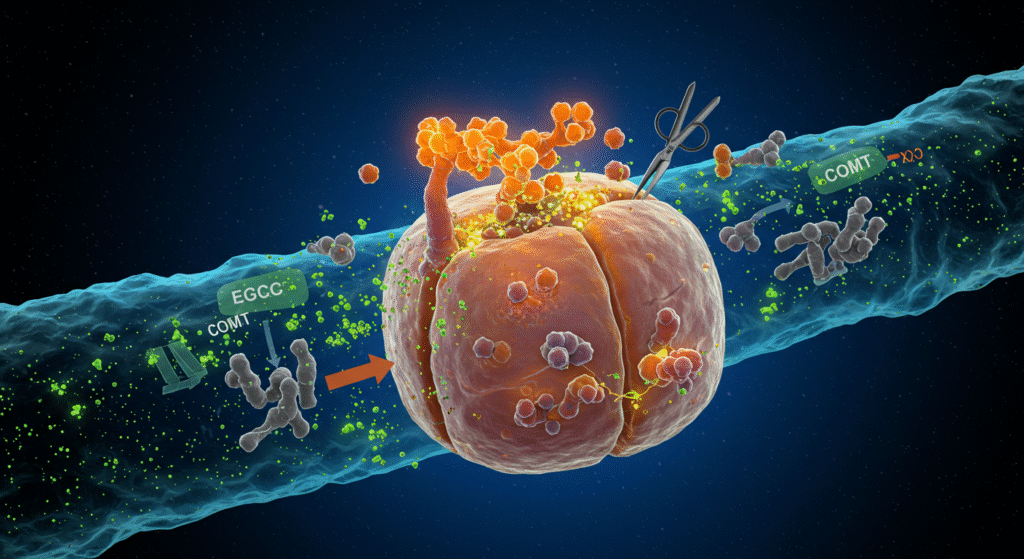
Green Tea’s Fat-Burning Secret: Scientists Reveal How Natural Compounds Balance Metabolism

Green tea’s natural compounds may hold the secret to burning fat and balancing metabolism.

For centuries, green tea has been revered across Asian cultures not just as a refreshing beverage, but as a powerful medicinal drink. Today, modern science is finally catching up to ancient wisdom, revealing the remarkable mechanisms behind green tea’s ability to burn fat and regulate metabolism. Recent groundbreaking research published in 2025 has unveiled the precise molecular pathways through which this humble plant transforms how our bodies process energy and store fat.

The Scientific Breakthrough: Understanding Green Tea’s Fat-Burning Mechanism

In a landmark study published in the journal Cell Biochemistry and Function in October 2025, researchers from Cruzeiro do Sul University in São Paulo, Brazil, made a significant discovery that could revolutionize how we approach weight management. Led by Dr. Rosemari Otton, who has dedicated over 15 years to green tea research, the team uncovered compelling evidence that green tea extract not only reduces body weight but also fundamentally improves how muscles process glucose and maintain their health during obesity.

The research team took a unique approach to their investigation. They fed mice a high-calorie diet for four weeks, mimicking the Western dietary pattern with chocolate, filled cookies, and other calorie-dense foods that many people consume daily. After establishing obesity in these mice, researchers administered standardized green tea extract at a dose equivalent to approximately three cups of tea daily for humans over a 12-week period.

Unlock Natural Metabolic Health: Discover The Science Behind Mitolyn’s Blood Sugar Support

The results were striking. The obese mice treated with green tea experienced weight reduction and showed remarkable improvements in glucose sensitivity and insulin resistance. Perhaps most importantly, this improvement occurred without negatively affecting lean animals, suggesting that green tea acts selectively on excess body fat rather than causing indiscriminate weight loss.

The Power of Thermoneutrality: A Game-Changing Research Approach

One methodological innovation that made this study particularly significant was the controlled temperature environment. Unlike most animal studies that maintain facilities at 22°C (which represents chronic cold stress for mice), this research kept animals at their thermoneutral temperature of 28°C throughout the experiment.

Green tea’s natural compounds may hold the secret to burning fat and balancing metabolism.

Why does this matter? When animals are kept in colder environments, their bodies activate compensatory mechanisms to generate heat, burning extra energy that can mask or artificially enhance the effects of any substance being tested. By maintaining thermoneutrality, researchers could observe the true effects of green tea without environmental interference, providing a cleaner, more accurate picture of how the compounds work.

This attention to detail increases the validity of translating these findings to human applications, where ambient temperature doesn’t typically stress our thermoregulatory systems to the same degree.

Muscle Health: The Hidden Benefit of Green Tea

Beyond weight loss, one of the most exciting discoveries was green tea’s protective effect on muscle tissue. Obesity typically causes muscle fiber diameter to shrink, leading to muscle atrophy and reduced functional capacity. However, mice treated with green tea maintained their muscle fiber diameter, demonstrating that the beverage protects muscle against the harmful effects of obesity.

18 Warning Signs You’re Deficient in Key Nutrients (And How to Fix Them Naturally)

The researchers examined the expression of genes crucial for glucose metabolism in muscle tissue. Green tea treatment increased the expression of several key genes including Insr, Irs1, Glut4, Hk1, and Pi3k. These genes are essential for glucose uptake and utilization in muscles, essentially improving how effectively muscles can use blood sugar for energy rather than allowing it to be stored as fat.

Additionally, the activity of lactate dehydrogenase (LDH), an enzyme critical for glucose metabolism, was restored to healthier levels. This suggests that green tea doesn’t just reduce fat; it actively improves metabolic function at the cellular level, enhancing how our bodies process nutrients.

The Catechin Connection: Understanding Green Tea’s Active Compounds

The secret to green tea’s effectiveness lies in its rich concentration of compounds called catechins, particularly epigallocatechin gallate (EGCG). Green tea contains approximately 7,380 mg of EGCG per 100 grams of dried leaves, making it one of the most concentrated natural sources of these powerful polyphenols.

EGCG and other catechins function as potent antioxidants that prevent oxidative damage caused by free radicals. However, their benefits extend far beyond antioxidant activity. These compounds interact with cell surface receptors, influence intracellular signaling pathways, and affect nuclear transcription factors, creating a cascade of beneficial effects throughout the body.

Research has demonstrated that EGCG can influence key physiological pathways, particularly those involved in fat metabolism and energy expenditure. It appears to increase thermogenesis, the process by which the body generates heat and burns calories, and may enhance fat oxidation, the breakdown of fat molecules for energy.

Mitolyn: A Revolutionary Approach To Supporting Healthy Glucose Levels & Mitochondrial Function

Interestingly, when researchers attempted to isolate individual compounds from green tea and study their effects separately, they found that the whole extract was always more effective. This suggests a synergistic relationship between the various bioactive compounds, where they work together in ways that cannot be replicated when isolated. It’s not just EGCG alone, but the complex matrix of dozens of compounds working in concert that creates green tea’s remarkable effects.

The Adiponectin Connection: A Key Player in Metabolic Regulation

One of the most intriguing aspects of Dr. Otton’s research involves adiponectin, a protein produced by fat cells that has anti-inflammatory and metabolic regulatory functions. In experiments with adiponectin-knockout mice that cannot produce this protein, green tea had no effect whatsoever on weight or metabolism.

Target The Root Cause Of Metabolic Health: Explore The Benefits of The Mitolyn Formula For Yourself

This discovery suggests that adiponectin serves as a crucial mediator for green tea’s benefits. When you consume green tea, it appears to work through adiponectin pathways to exert its metabolic effects. This finding not only helps explain how green tea works but also points toward potential therapeutic targets for developing more effective obesity treatments in the future.

Adiponectin levels are typically lower in obese individuals and those with type 2 diabetes. By potentially increasing or enhancing adiponectin function, green tea may help restore normal metabolic signaling, improving insulin sensitivity and reducing inflammation associated with excess fat tissue.

Previous Research: Building on a Foundation of Evidence

The 2025 findings build upon a substantial body of previous research. An earlier study published in the European Journal of Nutrition in August 2022 found that obese mice treated with green tea experienced weight reductions of up to 30 percent. To put this in perspective, when humans lose even 5 to 10 percent of their body weight, it’s considered significant progress. A 30 percent reduction in animal models is extraordinary and suggests powerful metabolic effects.

Meta-analyses and systematic reviews of human clinical trials have shown that green tea catechin supplementation, particularly when combined with exercise, can enhance weight loss effects in overweight and obese individuals. One randomized controlled trial involving women with central obesity found that 12 weeks of high-dose green tea extract resulted in significant weight loss, reduced waist circumference, and consistent decreases in total cholesterol and LDL levels, without adverse effects.

Green tea’s natural compounds may hold the secret to burning fat and balancing metabolism.

Research has also demonstrated that green tea can modulate the gut microbiome, the trillions of bacteria living in our digestive tract that play crucial roles in metabolism, immune function, and overall health. Green tea catechins appear to promote beneficial bacterial species while inhibiting harmful ones, creating a healthier intestinal environment that supports better metabolic function.

Quality Matters: Not All Green Tea Is Created Equal

An important caveat emerges from this research: not all commercial green tea products deliver the same benefits. Many readily available tea bags do not guarantee the quantity or quality of beneficial compounds. During the manufacturing process, green tea can lose significant amounts of catechins, and storage conditions can further degrade these sensitive compounds.

Dr. Otton emphasizes that for therapeutic purposes, standardized green tea extract from compounding pharmacies or specialized supplement providers may be more reliable than conventional tea bags. These standardized extracts ensure consistent concentrations of flavonoids and catechins, the health-beneficial compounds that drive green tea’s effects.

When green tea leaves are processed into black tea through oxidation, many catechins are converted into different compounds called theaflavins and thearubigins. While these compounds have their own health benefits, they don’t provide the same metabolic effects as the catechins preserved in green tea.

For those who prefer drinking brewed tea, using high-quality loose-leaf green tea and proper brewing techniques can maximize catechin content. Water that’s too hot can destroy delicate catechins, so steeping green tea at temperatures between 160-180°F (70-80°C) for 2-3 minutes is recommended.

Translating Research to Real-World Application

While the animal research is compelling, translating these findings to human applications requires careful consideration. The mice in the study received doses equivalent to approximately three cups of green tea daily for humans, consumed consistently over 12 weeks. This points toward chronic, regular consumption rather than occasional use.

Countries like Japan, where green tea is consumed daily as part of cultural tradition, tend to have lower obesity rates compared to Western nations. This epidemiological observation supports the hypothesis that regular, lifelong green tea consumption may contribute to better metabolic health and weight management.

However, researchers caution against expecting miraculous results from short-term use. Green tea isn’t a magic bullet that will cause dramatic weight loss in five months. Instead, it appears to work best as part of a long-term healthy lifestyle, supporting metabolism and fat regulation over time.

Individual responses to green tea can vary significantly based on genetics, gut microbiome composition, overall diet, activity levels, and other factors. Some people may experience more pronounced benefits than others, which is why personalized approaches to nutrition and supplementation are increasingly recognized as important.

Safety Considerations and Optimal Usage

Green tea is generally considered safe for most people when consumed in reasonable amounts. The research suggests that approximately three cups daily or equivalent extract dosages provide benefits without significant adverse effects. However, some considerations are important:

Green tea contains caffeine, though less than coffee, which can cause sleep disturbances, anxiety, or increased heart rate in sensitive individuals. Those with caffeine sensitivity should monitor their intake and avoid consumption late in the day.

Very high doses of concentrated green tea extract have been associated with rare cases of liver toxicity. This appears to occur primarily with extremely high supplement doses far exceeding normal dietary intake. Consuming green tea as a beverage or moderate supplement doses within recommended ranges appears safe for healthy individuals.

Green tea can interact with certain medications, including blood thinners, stimulant drugs, and some antibiotics. Anyone taking medication should consult with their healthcare provider before adding green tea supplements to their regimen.

Pregnant and breastfeeding women should limit green tea consumption due to caffeine content and potential effects on folate absorption. Generally, up to two cups daily is considered safe during pregnancy, but individual circumstances vary.

The Future of Green Tea Research

While current evidence is promising, researchers emphasize that many questions remain unanswered. Scientists continue investigating precisely which compounds are most important, how they interact with each other, and how individual genetic variations affect response to green tea consumption.

Future research will likely focus on determining optimal dosing for different populations, identifying biomarkers that predict who will respond best to green tea interventions, and understanding how green tea can be integrated into comprehensive obesity treatment protocols.

There’s also growing interest in exploring whether green tea’s benefits extend beyond weight management to other metabolic conditions like type 2 diabetes, non-alcoholic fatty liver disease, and cardiovascular disease. Early evidence suggests promising applications in these areas as well.

The development of enhanced absorption forms of green tea catechins is another active area of research. Since EGCG has relatively poor oral bioavailability, creating formulations that improve absorption could potentially enhance therapeutic effects while requiring lower doses.

A Natural Approach to Metabolic Health

As obesity rates continue rising globally and metabolic diseases become increasingly prevalent, the search for safe, effective, and accessible interventions has never been more critical. While pharmaceutical approaches exist, they often come with significant costs and side effects that limit their utility.

Green tea represents a different paradigm: a natural, affordable, and culturally accepted beverage with thousands of years of safe use and now with increasingly robust scientific support for its metabolic benefits. It doesn’t promise overnight transformations or replace the need for healthy eating and regular physical activity, but it may serve as a valuable adjunct tool for supporting metabolic health.

The recent research reveals that green tea works through sophisticated mechanisms: protecting muscle tissue, improving glucose metabolism, enhancing insulin sensitivity, and selectively targeting excess fat. These aren’t superficial effects but fundamental improvements in how our bodies process energy and regulate weight.

Practical Recommendations

Based on current evidence, here are practical takeaways for those interested in incorporating green tea into their health regimen:

Daily Consumption: Aim for 2-3 cups of high-quality green tea daily, consumed consistently over time rather than sporadically. Regular consumption appears more beneficial than intermittent use.

Quality Selection: Choose high-quality loose-leaf green tea or standardized extracts that guarantee catechin content. Look for products that specify EGCG content and have been tested for purity.

Proper Preparation: Brew green tea at appropriate temperatures (160-180°F) to preserve delicate catechins. Avoid using boiling water, which can destroy beneficial compounds.

Timing Matters: Consume green tea between meals rather than with meals to optimize nutrient absorption. The compounds in green tea can interfere with iron absorption when consumed with food.

Combine with Healthy Habits: View green tea as one component of a comprehensive approach to health that includes balanced nutrition, regular physical activity, adequate sleep, and stress management.

Monitor Your Response: Pay attention to how your body responds. Some people may need to adjust intake based on caffeine sensitivity or digestive tolerance.

Conclusion: Ancient Wisdom Meets Modern Science

The revelation of green tea’s fat-burning secrets represents a beautiful convergence of ancient wisdom and cutting-edge science. What traditional healers and cultural practices have known for millennia, modern molecular biology is now able to explain and validate through rigorous research.

Green tea doesn’t work through a single mechanism but rather orchestrates a symphony of beneficial effects throughout the body. From protecting muscle tissue and enhancing glucose metabolism to selectively targeting excess fat and improving insulin sensitivity, these natural compounds demonstrate remarkable sophistication in supporting human health.

As research continues to unfold, we’re likely to discover even more about how green tea and its constituent compounds influence our biology. For now, the evidence strongly supports incorporating this ancient beverage into modern approaches to metabolic health and weight management.

While green tea isn’t a replacement for healthy lifestyle choices, it represents a powerful natural tool that, when used consistently and appropriately, can support the body’s innate ability to regulate metabolism and maintain healthy weight. In a world searching for sustainable solutions to metabolic disease, sometimes the answers have been steeping in our cups all along.