







You can’t feel it. There are no warning signs, no pain, no obvious symptoms. Osteopenia — a condition of reduced bone mineral density — develops completely silently, often over years or decades, until the day a minor fall causes a fracture that shouldn’t have happened.
Nearly 40% of adults worldwide are living with osteopenia right now. Most of them don’t know it. And for many, the first clue is a broken bone.
What Is Osteopenia And Why Does It Matter
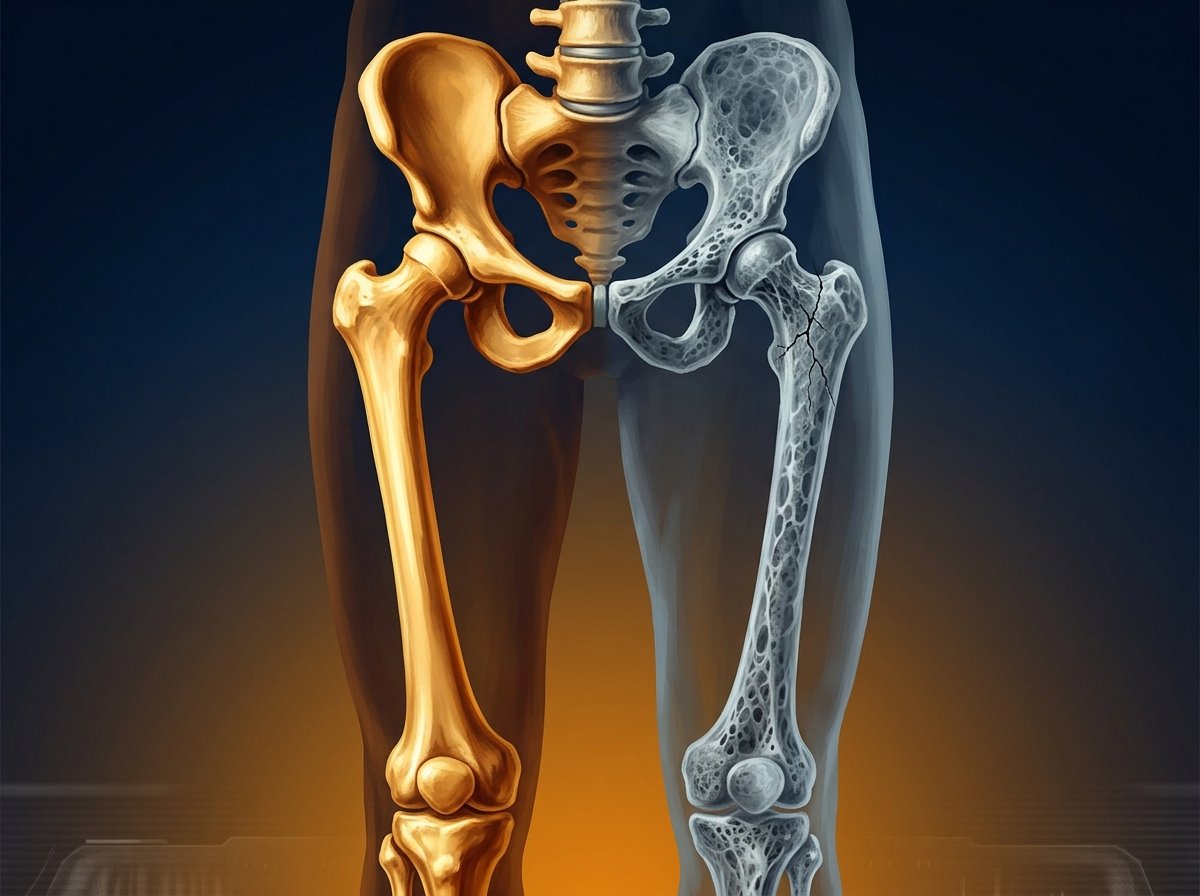
Osteopenia sits on the spectrum between healthy bone density and osteoporosis — the more advanced stage of bone loss where fracture risk becomes significantly elevated.
The difference matters because:
- Osteopenia is defined by a T-score between –1.0 and –2.5 on a bone density scan
- Osteoporosis is diagnosed when that T-score drops below –2.5
- Osteopenia is reversible in many cases — osteoporosis is far harder to recover from
This is why osteopenia should never be dismissed as “mild” or “just a warning.” It is a critical window for intervention — a moment where the right action can genuinely change the long-term outcome for your bones.
How Bone Loss Actually Happens In Your Body
Bone is not static. It is living tissue constantly being broken down and rebuilt through a process called bone remodeling.
- Cells called osteoclasts break down old bone
- Cells called osteoblasts build new bone to replace it
- In early adulthood, these processes are roughly balanced
Peak bone mass is typically reached in your mid-20s to early 30s. After that:
- Bone breakdown gradually begins to outpace bone formation
- Bone mineral density slowly declines year by year
- The rate of that decline determines whether osteopenia develops
In most people this is a gradual process. But certain life events and lifestyle factors can dramatically accelerate it.
Who Is Most At Risk Of Osteopenia
Aging is the primary risk factor — but it doesn’t work alone. Several factors can significantly accelerate bone density loss:
Hormonal changes:
- Declining estrogen after menopause removes a key biological brake on bone breakdown
- This is why one in two women over 50 will experience a fragility fracture in their lifetime
- Men experience a slower decline in testosterone that also affects bone health over time
Lifestyle factors:
- Smoking — damages bone-forming cells and reduces calcium absorption
- Excessive alcohol consumption — interferes with bone remodeling
- Physical inactivity — bones need mechanical stress to stay strong
Nutritional deficiencies:
- Low calcium intake limits raw material for bone formation
- Vitamin D deficiency — extremely common, especially in northern climates — prevents efficient calcium absorption
Medical factors:
- Long-term steroid use significantly accelerates bone loss
- Conditions affecting nutrient absorption — including Crohn’s disease and coeliac disease — can deplete calcium and vitamin D
- Certain thyroid and hormonal conditions also elevate risk
How Osteopenia Is Diagnosed
Because osteopenia causes no symptoms, it is typically discovered through:
- A DXA scan (dual-energy X-ray absorptiometry) — a low-dose X-ray that measures bone mineral density
- Results expressed as a T-score comparing your density to a healthy young adult
- Fracture risk assessment tools that calculate your 10-year probability of a fracture based on age, bone density, steroid use, and other factors
DXA scanning is typically recommended for:
- Women over 65
- Men over 70
- Younger adults with significant risk factors
- Anyone who has experienced an unexplained fracture
Early detection is everything. A T-score revealing osteopenia gives you and your clinician a clear runway to act — before the condition progresses to osteoporosis.
How To Slow And Potentially Reverse Bone Loss
The research is clear: lifestyle changes can meaningfully slow osteopenia — and in some cases partially reverse it.
Exercise — the most powerful tool:
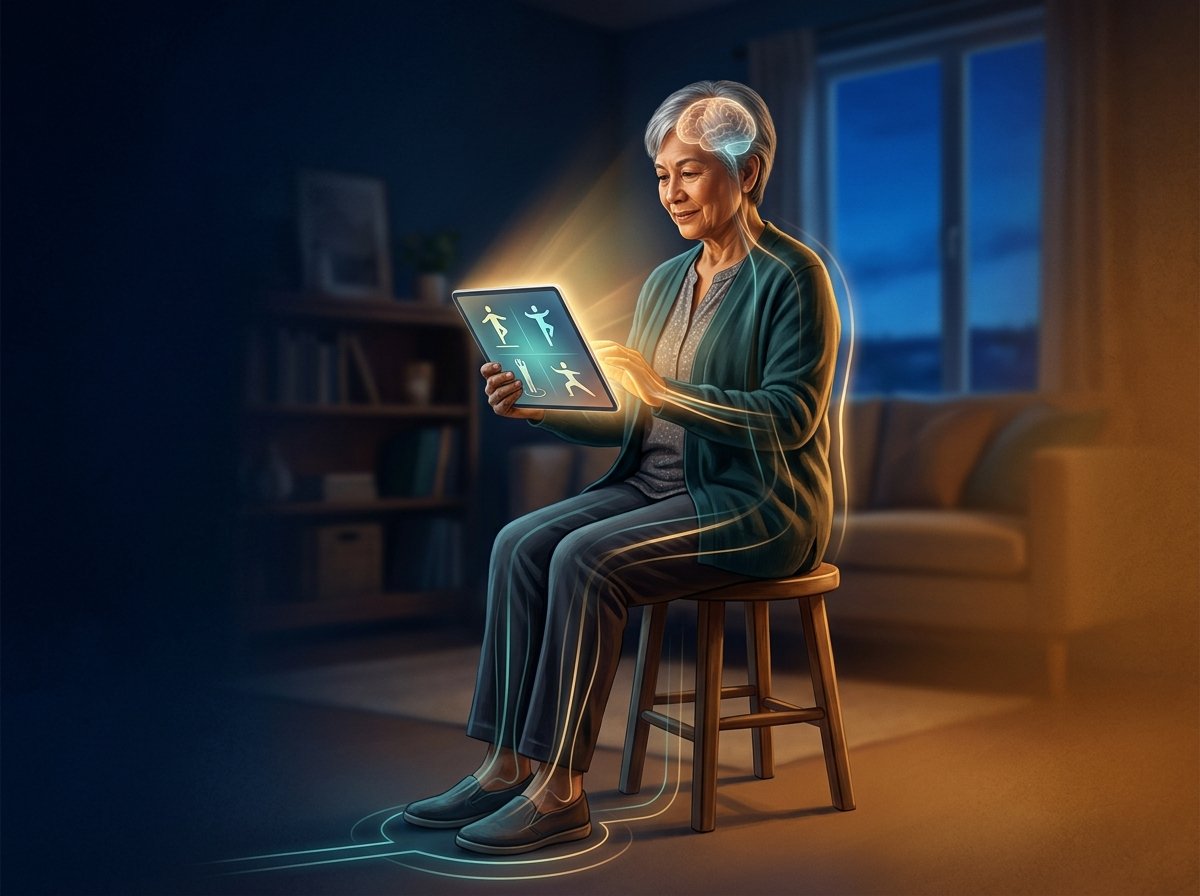
- Weight-bearing exercise (walking, jogging, dancing, hiking) directly stimulates bone formation by placing mechanical stress on the skeleton
- Resistance training builds both bone density and the surrounding muscle mass that protects against falls
- Tai Chi improves balance and coordination, dramatically reducing fall risk
- Regular physical activity is consistently associated with improved bone mineral density in research studies
Nutrition — build the foundation:
- Calcium supports bone structure — aim for adequate intake through dairy, leafy green vegetables, fortified foods, and beans
- Vitamin D is essential for calcium absorption — supplementation is often needed, particularly in winter months or northern climates
- Limit excessive alcohol and caffeine, which can interfere with calcium absorption
Lifestyle adjustments:
- Stop smoking — one of the most impactful single changes for bone health
- Maintain a healthy body weight — both underweight and obesity affect bone health negatively
- Review medications with your doctor — steroid alternatives may be available
When Medication Becomes Necessary
Not everyone with osteopenia requires drug treatment. Management decisions are typically based on fracture risk assessment rather than bone density score alone.
Medication is more likely to be recommended when:
- Fracture risk is assessed as high
- A fragility fracture has already occurred
- Bone density continues to decline despite lifestyle changes
Antiresorptive medications — which slow bone breakdown and help maintain density — are more commonly used for osteoporosis, but may benefit high-risk osteopenia patients. These decisions should always be made in partnership with a qualified healthcare provider who can weigh individual circumstances.
The Bottom Line — Osteopenia Is A Warning, Not A Verdict
Osteopenia affects nearly half of all adults. It develops silently. And for most people, it goes completely undetected until something breaks.
But here is the truth that gets lost in the statistics: progression from osteopenia to osteoporosis is not inevitable.
Early detection through a DXA scan, combined with:
- Regular weight-bearing and resistance exercise
- Adequate calcium and vitamin D
- Eliminating smoking and excessive alcohol
- Ongoing monitoring and clinical guidance
…can genuinely slow bone mineral density loss, reduce fracture risk, and in some cases improve bone density over time.
Your bones are not passively declining toward an inevitable endpoint. They are living tissue responding to everything you do — every walk, every meal, every lifestyle choice. And the research shows that it is never too late to start making better ones. 🦴💙
Source: The Conversation / Anglia Ruskin University / ScienceDaily — June 25, 2026
Original Author: Hasmik Jasmine Samvelyan, Senior Lecturer in Biomedical Science, Anglia Ruskin University
Note: This is an evidence-based review article. Key statistics sourced from peer-reviewed literature including studies published in JAMA Internal Medicine, Nature Scientific Reports, and Springer’s Osteoporosis International.