








The battle against pancreatic cancer is one of the most formidable challenges in modern medicine. Known for its aggressive nature and notoriously low survival rates, this form of cancer is particularly adept at evading the body’s natural defenses and resisting standard pharmacological interventions. One of its primary defense mechanisms is the creation of a dense, impenetrable fortress—an immunosuppressive microenvironment that physically and chemically blocks therapies from reaching the malignant cells. Traditional treatments, such as chemotherapy and radiation, often struggle to breach these robust biological walls, leaving oncologists and researchers in a constant race to develop more effective, targeted delivery systems.
However, a groundbreaking study from the University of Chicago Medical Center has unveiled a radically innovative approach to dismantling these biological defenses. Instead of relying solely on synthesized chemicals or external radiation, scientists have turned to the microscopic world for a solution, transforming ordinary probiotic bacteria into tiny, living drug factories capable of infiltrating tumors from the inside out.
This remarkable intersection of synthetic biology and oncology represents a paradigm shift, treating cancer not just with inert molecules, but with programmable living organisms.
Rising CO2 Is Quietly Changing Your Blood — And Scientists Just Measured It
To understand the brilliance of this approach, one must first understand the unique environment inside a pancreatic tumor. These tumors are highly hypoxic, meaning they are starved of oxygen. While this lack of oxygen is toxic to most healthy human cells, it is the ideal breeding ground for certain types of anaerobic bacteria. The research team recognized this biological quirk and capitalized on it. By genetically engineering safe, probiotic strains of bacteria, they created a biological Trojan horse. When introduced into the subject’s system, these microbes naturally navigate away from oxygen-rich healthy tissues and gravitate directly toward the hypoxic core of the pancreatic tumor.
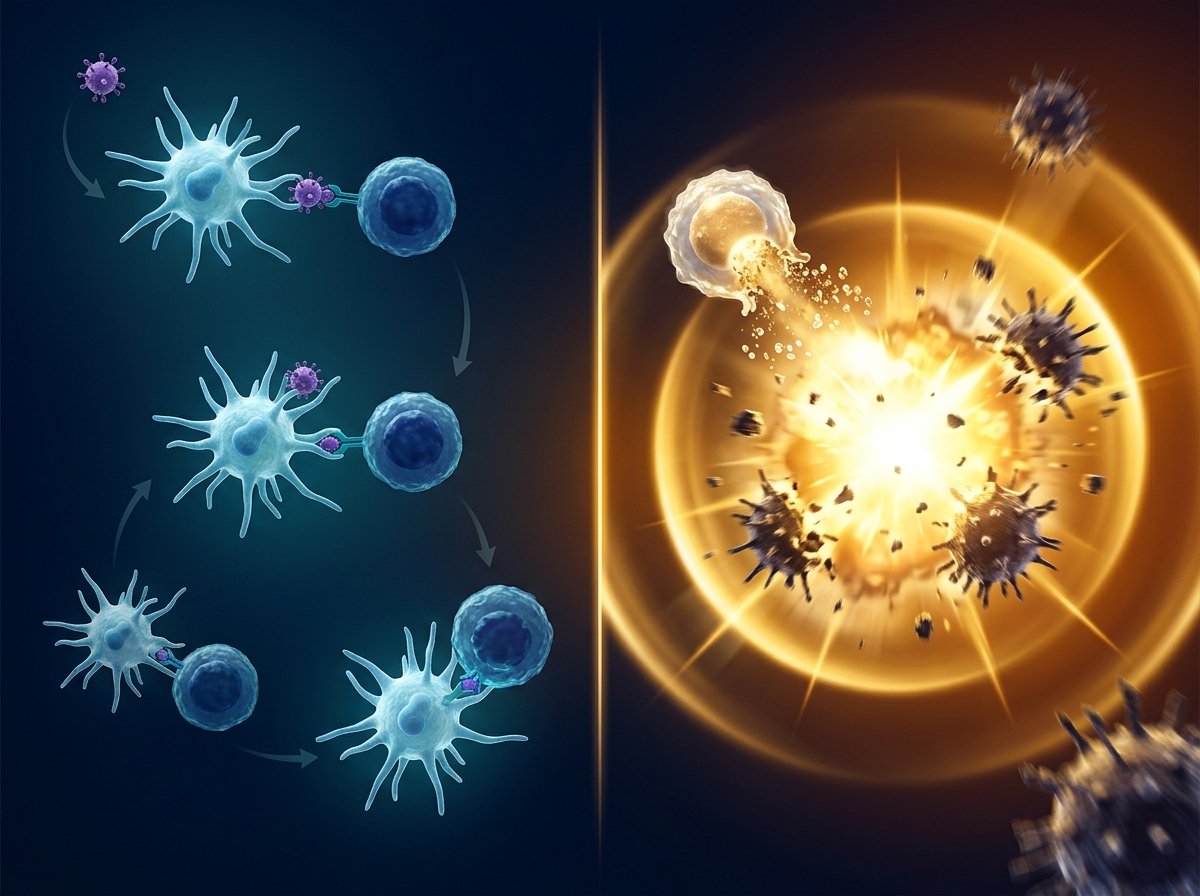
Once the engineered probiotics reach their destination and infiltrate the tumor, their true function is activated. These are not merely passive travelers; they have been meticulously reprogrammed to act as localized drug manufacturing facilities. Upon detecting the tumor environment, the bacteria begin to synthesize and secrete specific therapeutic compounds designed to overcome the tumor’s immunosuppressive shield. They essentially sound a chemical alarm, uncloaking the malignant cells and stimulating the body’s own immune system to attack. The cancer-fighting immune cells, which were previously blinded or repelled by the tumor’s defenses, are suddenly activated and drawn to the site of the malignancy.
The efficacy of this targeted biological warfare, as observed in early animal studies, has been nothing short of extraordinary. On their own, the bacterial factories demonstrated a profound ability to suppress and slow the growth of the pancreatic tumors. But the true breakthrough lies in their synergistic potential. Pancreatic cancer’s resilience typically renders standard therapies only marginally effective. However, when the engineered probiotics were administered in conjunction with conventional treatments like chemotherapy, radiation therapy, and established immunotherapies, the results were exponential rather than additive.
By breaking down the dense extracellular matrix and reversing the immune-suppressed state of the tumor microenvironment, the bacteria essentially left the tumor vulnerable. Chemotherapy agents could suddenly penetrate deeper into the malignant tissue. Radiation therapy caused more extensive and unrepairable damage to the cancer cells. Existing immunotherapies, which rely on the immune system’s ability to recognize cancer, were suddenly provided with clear targets. The engineered bacteria acted as a force multiplier, unlocking the full potential of treatments that were previously blocked by the tumor’s robust defenses.
This research heralds a new era of precision medicine and bioengineering. We are moving beyond the era of blunt-force medical interventions and entering an age where we can weaponize the microbiome against our most stubborn diseases. The concept of utilizing living, replicating organisms as programmable therapeutic vehicles opens up incredible possibilities not just for pancreatic cancer, but potentially for a wide array of solid tumors that share similar hypoxic, immunosuppressive characteristics.
While these findings are currently rooted in pre-clinical animal models and must undergo rigorous human clinical trials to establish safety and efficacy in human patients, the proof of concept is a monumental leap forward. It showcases the incredible power of cross-disciplinary science, blending microbiology, genetics, and oncology to solve problems that once seemed insurmountable. As researchers continue to refine these biological blueprints, we may soon see a day where a simple probiotic could be precisely engineered to orchestrate the destruction of the deadliest cancers from within, offering unprecedented hope to millions around the globe.
Source: University of Chicago Medical Center Journal Reference: Science Translational Medicine, 2026 DOI: 10.46298/jsedi.17268