






The concept of waste heat is something we experience every single day. When you drive a car, use a computer, or run a refrigerator, the machine inevitably generates excess thermal energy. For centuries, classical physics has taught us that this heat is completely useless. It is simply disorganized energy permanently lost to the surrounding environment, impossible to recapture or convert back into meaningful work. This fundamental limitation has dictated the efficiency of human engineering since the dawn of the industrial revolution. But now, the bizarre and unpredictable rules of quantum mechanics are threatening to turn this basic assumption completely around.
A Microscopic Engine
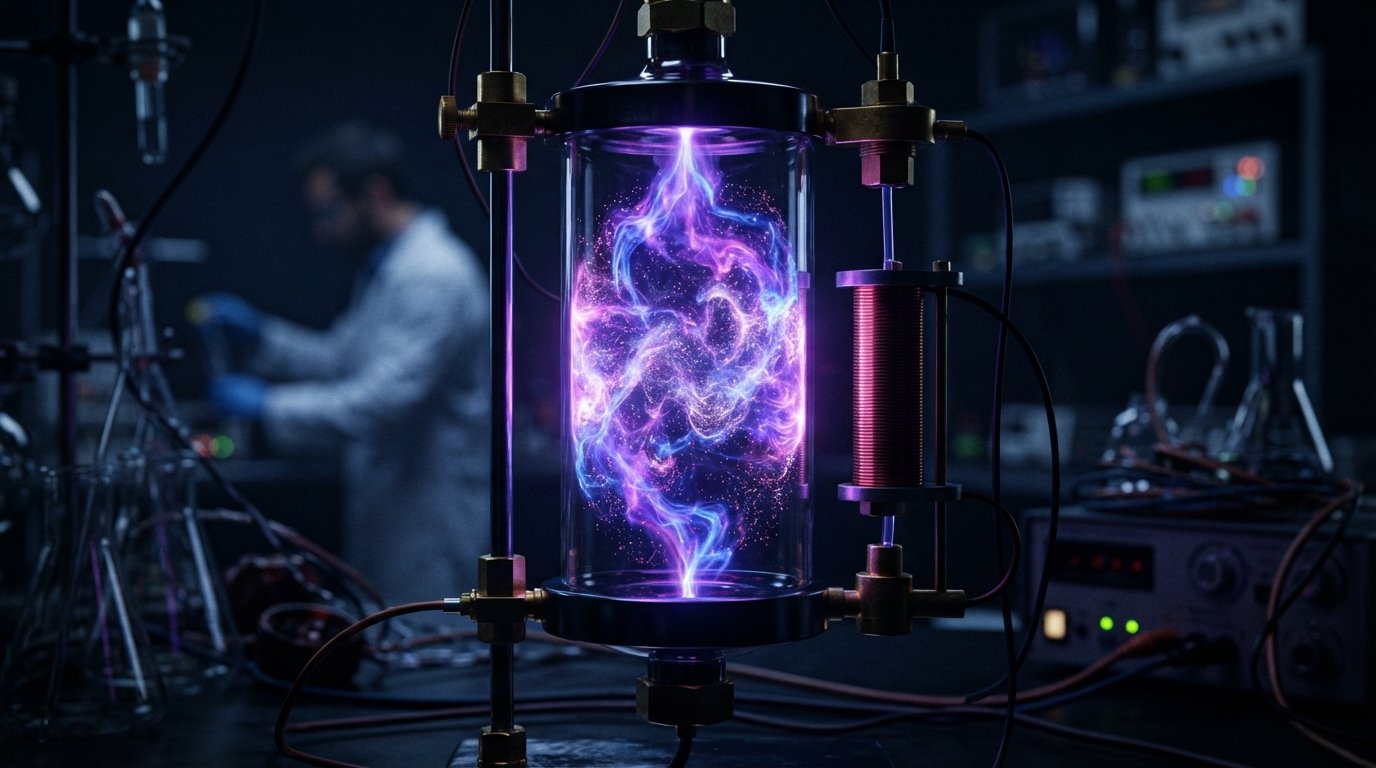
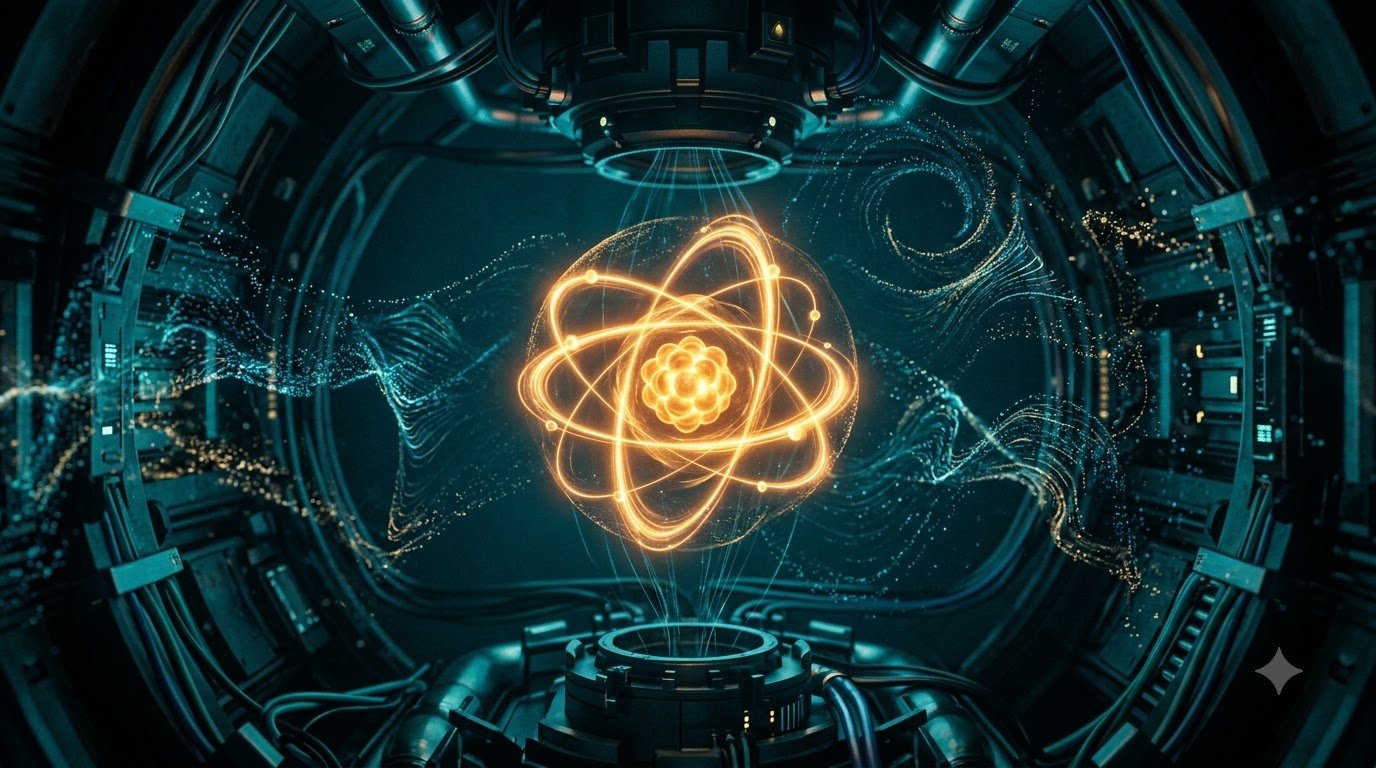
Researchers working at the University of Basel recently developed a profound new theoretical framework that challenges our classical understanding of thermodynamics. They achieved this remarkable breakthrough by studying microscopic engines constructed from nothing more than a single atom and particles of light. On a macroscopic scale, these tiny engines appear to produce useless waste heat, just like a traditional car engine. However, when the scientists analyzed this exhausted heat at the absolute quantum level, they discovered something completely extraordinary. The heat was not entirely disorganized chaos; it actually retained hidden, structured energy that could theoretically be harnessed for useful work.
Preserving Information
To grasp why this discovery is so revolutionary, we must understand how heat operates in quantum systems. Classical thermodynamics relies heavily on the concept of entropy, representing the steady increase of disorder. When a traditional engine releases heat, that energy instantly scatters, joining the chaotic background environment. The energy diffuses so wildly that gathering it back together becomes physically impossible. In the microscopic realm, however, particles of light emitted by the quantum engine behave differently. They remain partially organized, preserving a subtle form of quantum information that prevents the thermal energy from immediately degrading into pure, irrecoverable background disorder everywhere.
The Illusion of Nothingness: Quantum Secrets Hidden in the Dark Void Between Stars
The Invisible Middle Ground
The research team successfully designed a mathematical framework to measure this hidden potential within quantum exhaust. They mapped out exactly how much energy is genuinely lost as waste and how much remains secretly available for extraction. This crucial distinction creates a completely new category of energy that falls somewhere between useful mechanical work and useless thermal heat. By identifying this invisible middle ground, physicists can now theoretically design highly advanced nanomachines capable of recycling their own exhaust. These microscopic engines could achieve staggering efficiency levels that completely shatter the rigid limits established by traditional historical industrial physics textbooks published everywhere.
Solving The Overheating Problem
While building a microscopic machine from a single atom might sound incredibly abstract, the practical implications are absolutely massive. As technology continues shrinking rapidly, modern computer chips are quickly approaching the absolute physical limits of atomic scale. Overheating is already the primary roadblock preventing faster microprocessors from being developed today. If engineers can utilize this newly discovered quantum thermodynamics framework, they could design next generation electronics that actively harvest their own microscopic waste heat. This breakthrough could eventually lead to incredibly powerful computing devices that run vastly cooler, exponentially faster, and significantly more efficiently than anything currently existing in society.
Bridging Two Worlds
Furthermore, this incredible research deeply and fundamentally changes how we must perceive the invisible forces governing our entire universe. Thermodynamics was initially conceived to understand massive steam engines during the industrial era. Applying those same macroscopic rules to individual atoms has always presented major scientific contradictions. By successfully bridging the massive gap between classical thermal physics and modern quantum mechanics, the University of Basel team has provided a much clearer picture of reality. Their theoretical models prove that nature is exceptionally resourceful, hiding vast amounts of untapped useful energy in places where scientists previously saw only useless thermal background noise.
The Next Steps
The ultimate next step for these dedicated scientists involves taking these robust mathematical theories inside an actual physical laboratory. While the current published framework clearly mathematically proves that quantum waste heat retains structured usable energy, physically constructing a flawless machine to actively capture it remains quite challenging. Researchers must precisely isolate single atoms while perfectly capturing individual photons without accidentally creating additional outside thermal interference whatsoever. It will definitely require immense patience and highly advanced cryogenic technology, but the theoretical foundation is now solidly established. The microscopic quantum revolution is slowly approaching, promising unprecedented improvements regarding future energy efficiency everywhere.
A Brilliant Future
Ultimately, humanity constantly struggles finding sustainable methods regarding global power consumption moving forward into tomorrow. If engineers successfully implement these fascinating atomic discoveries into practical commercial applications, everything changes immediately forever worldwide. The basic concept that excess heat inherently wastes valuable power will completely disappear from modern physics forever entirely. Instead, our most advanced technical computers and microscopic devices will effortlessly recycle their very own thermal emissions continuously indefinitely. By finally understanding how quantum particles deliberately preserve hidden thermodynamic information, science has beautifully illuminated an unbelievably bright path toward an incredibly highly efficient and deeply truly remarkable human technological future.
Source: University of Basel Journal Reference: Published in Physical Review Letters, 2026. DOI: 10.46298/jsedi.17268