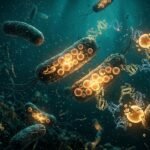







You probably do not think about what your gut bacteria are having for dinner. It is one of those things your body handles silently in the background. But your gut is not a static, unchanging environment. It is a bustling, living ecosystem that reacts to exactly what you feed it.
And now, scientists have highlighted a stark reality about what happens when you do not feed it properly. The reality is heavily linked to the fiber you consume. As your intake of dietary fiber drops, your gut microbes do not just quietly starve.
Your body notices. The microbes adjust. They compensate. And those compensations, it turns out, can lead them to start eating your own protective gut lining. It is a startling biological pivot that researchers are only just beginning to fully map and understand.
The Biological Shield
A team at the Ludwig Institute for Cancer Research wanted to know exactly how diet impacts the behavior of the microbiome. So they looked closely at what happens when fiber is severely limited in the host’s diet.
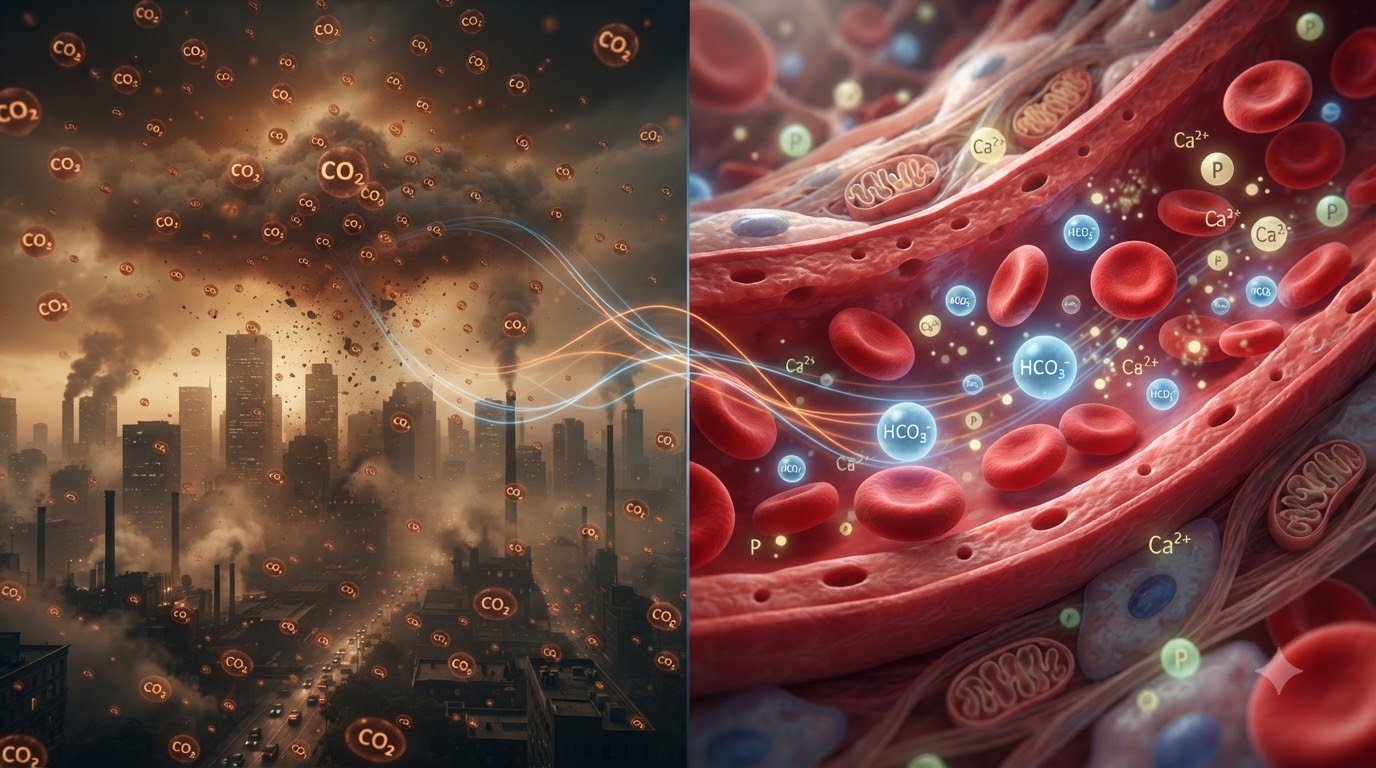
Rising CO2 Is Quietly Changing Your Blood — And Scientists Just Measured It
What they found was dramatic: gut microbes, desperate for food, begin consuming proteins from the mucus lining that protects the gut. This mucus layer is your gut’s primary physical shield against infection, irritation, and internal damage.
Fiber is not just roughage that helps you digest. It is the primary food source for trillions of microorganisms living in your large intestine. These microbes rely entirely on complex carbohydrates that your human cells cannot break down on their own.
When you eat an apple, oats, or beans, your stomach and small intestine absorb the simple nutrients. But the tough, fibrous parts travel further down the digestive tract. They reach the colon fully intact. That is where the microbial feast begins.
The Power of Butyrate
In a healthy, well-fed gut, bacteria rapidly ferment this fiber. This fermentation process produces short-chain fatty acids like butyrate. Butyrate is a magical biological molecule. It provides energy directly to the cells lining your colon.
Without fiber to ferment, butyrate production plummets. Your colon cells lose their main energy source. They become sluggish and significantly less efficient at maintaining the tight junctions that keep your delicate gut barrier perfectly sealed.
But the microbes themselves are also starving. They are living organisms driven by a singular, powerful evolutionary imperative: survive. If no food arrives from above, they must look around their immediate environment for calories.
That immediate environment is coated in a thick, gel-like layer of mucus. This mucus is secreted by specialized cells in your gut wall called goblet cells. It forms a vital, impenetrable physical barrier separating bacteria from your sensitive intestinal tissue.
This mucus is made of glycoproteins called mucins. Mucin molecules are incredibly complex, covered in branching sugar structures. To a starving microbe, those sugar branches look exactly like an all-you-can-eat buffet. So, they start to nibble.
The Starvation Switch
Under normal conditions, a slight degradation of the mucus layer is perfectly normal. It is part of the natural turnover of the gut. Your body seamlessly produces new mucus as the old mucus is consumed and cleared away.
The major problem arises when the rate of consumption outpaces the rate of production. In a fiber-starved gut, the bacteria turn to the mucus in mass numbers. They strip away the protective layer much faster than goblet cells can replenish it.
As the mucus layer dangerously thins, the barrier becomes weak. Bacteria that should safely reside in the center of the gut start moving closer to the intestinal wall. They eventually come into direct contact with your human cells.
The Immune Alarm
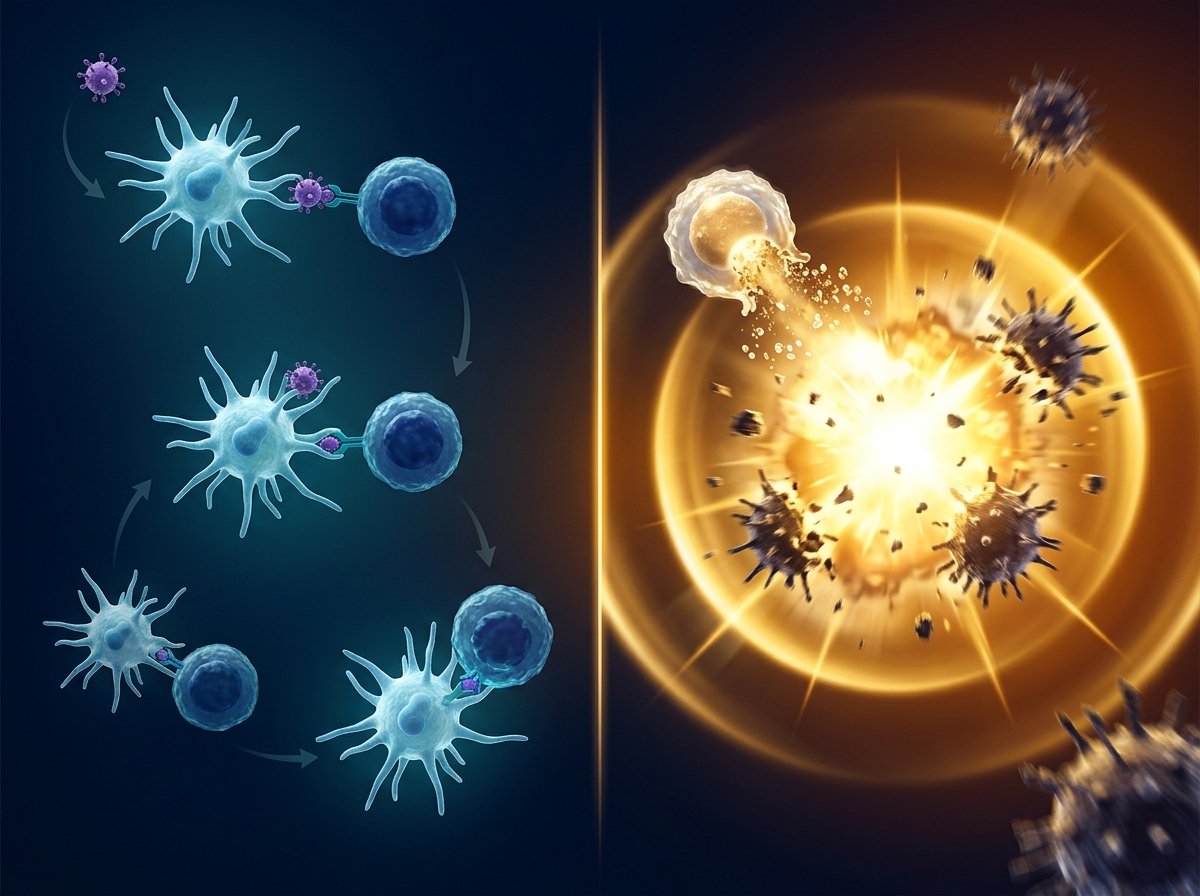
This direct contact is a massive alarm bell for your immune system. More than half of your immune cells reside just beneath your gut lining. They are standing guard constantly, waiting for a pathogenic invasion.
When microbes touch the delicate intestinal lining, the immune system launches a rapid inflammatory response. It assumes the body is under a severe attack. It releases inflammatory markers to aggressively fight off what it perceives as a dangerous threat.
Chronic low-level inflammation in the gut is a silent driver of many modern diseases. It is heavily linked to conditions ranging from irritable bowel syndrome to severe autoimmune disorders. It all stems from a physical barrier that has been eaten away.
It is a bizarre form of internal friendly fire. The very microbes that usually protect you are inadvertently triggering an immune war. And they are doing it simply because you did not give them enough dietary fiber to eat.
Evolutionary Survival & Plant Proteins
The Ludwig Institute study highlights exactly how this switch happens at the molecular level. The researchers mapped the specific genetic activity of the microbes. They saw genes related to mucus degradation switch on immediately when fiber was removed from the diet.
This genetic switch is an ancient evolutionary survival mechanism. Bacteria that could not adapt to starvation would simply die out. Those that learned to consume host mucus survived to pass on their genes. We are carrying the descendants of those survivors.
And what about plant proteins? They are not just for building human muscle. Indigestible plant proteins, the study explicitly found, play a crucial, supportive role for the microbiome. They help microbes produce more beneficial compounds that support overall host health.
A profound lack of these complex nutrients could permanently disrupt the delicate chemistry of your gut ecosystem. The researchers analyzed how different dietary inputs change microbial activity, and the connection between diet and gut barrier health was incredibly strong and undeniable.
The Modern Microbiome Famine
The human body evolved over millennia with diets rich in complex, fibrous plants. For most of human history, fiber intake was massively higher than it is today. Now, highly processed, low-fiber foods are incredibly common and easily accessible.
Our microbiomes are being heavily starved in ways our ancient ancestors never experienced. The study’s authors heavily emphasize the absolute importance of feeding the microbiome correctly. The microscopic changes they observed are a glaring biological warning sign.
A low-fiber diet will not instantly destroy your gut overnight. But chronic, daily starvation of these microbes over years can heavily add up. It is exactly like slowly eroding a defensive stone wall, day by day, meal by meal.
Think about your gut microbiome as a specialized internal workforce. They have a massive job to do. When you provide the right raw materials—like dietary fiber—they eagerly build and protect. That is exactly what a healthy diet does.
But if you completely stop providing materials, they start aggressively dismantling the factory just to survive the famine. Eventually, the entire system breaks down completely. What might that breakdown look like in the long term?
Some researchers strongly speculate that a compromised mucus layer could contribute to leaky gut syndrome, inflammatory bowel disease, or even an increased susceptibility to severe systemic infections. The microbial scavenging weakens intestinal defenses right at the very foundation.
How to Protect Your Internal Ecosystem
This is not the first time daily diet has been linked to the health of the gut barrier. Previous studies have shown that heavily processed foods can negatively alter the microbiome. High-fat, low-fiber diets often lead to a far less diverse microbial community.
The massive difference here is understanding the exact, mechanical biological mechanism. It is not just that a bad diet makes you generally unhealthy; it actively changes what your microbes decide to eat. We are forcing them to adapt in ways that harm us.
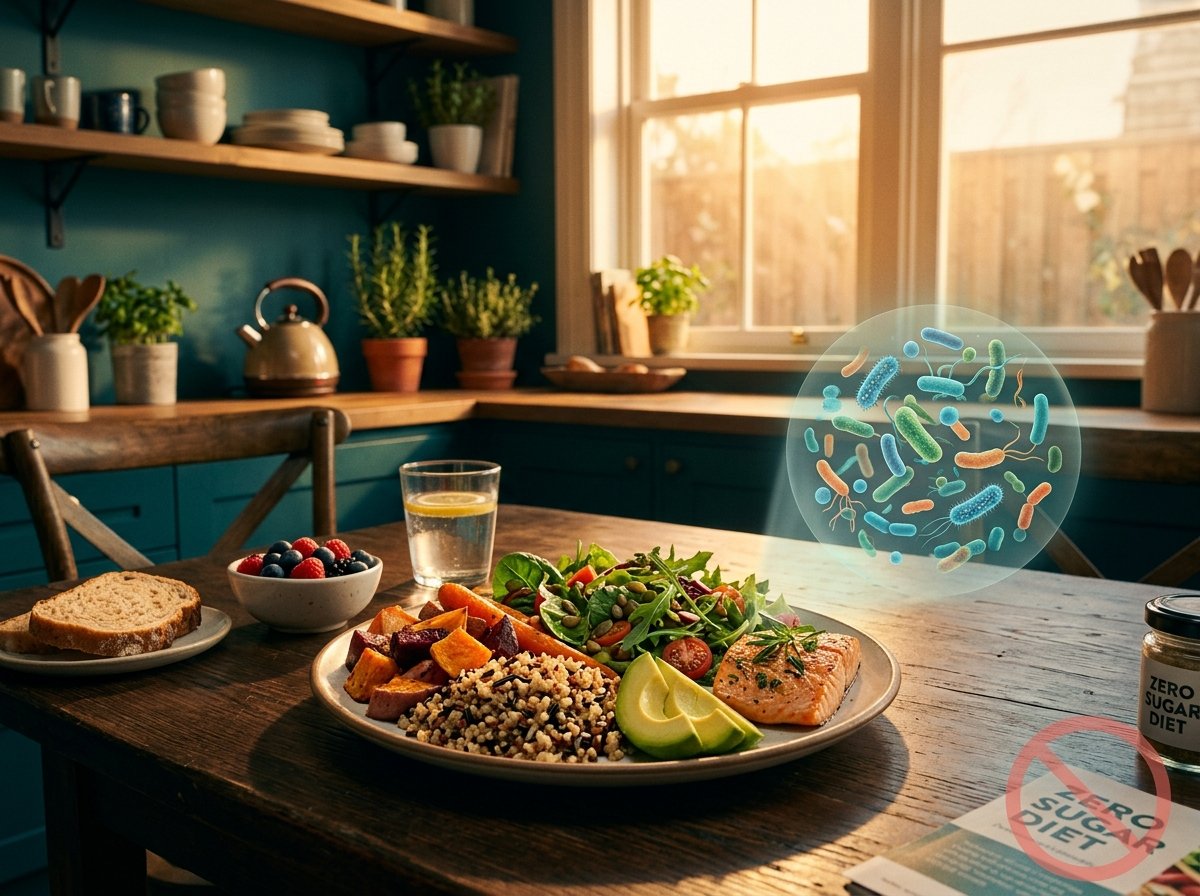
What can you do? On an individual level, you can drastically change your microbiome’s food supply by your very next meal. You can immediately support your gut’s protective barrier simply through changing your daily diet.
- Whole Foods: A diet heavily rich in whole grains, fruits, vegetables, and legumes provides the exact complex fiber those microbes deeply crave.
- Plant Proteins: Adding diverse plant proteins supports beneficial compound production, keeping the entire ecosystem balanced, happy, and thriving.
The ultimate solution to this internal microscopic crisis is astonishingly simple. Eat more plants. The exact moment fiber is reintroduced into the daily diet, the microbes switch their behavior once again. They much prefer fiber. It is far easier to ferment than mucus.
When given a choice between fibrous broccoli and your delicate gut lining, the microbes will joyfully choose broccoli every single time. The mucus layer is fully spared. The goblet cells catch up. The barrier is restored, and the immune system stands down completely.
This fascinating dynamic completely reframes how we should view our daily meals. Food is not just simple macronutrients designed solely for human cells. It is the primary environmental management tool for our complex internal ecosystem.
We are essentially park rangers for our own personal microbiome. We directly dictate the environment they live in based entirely on what we swallow. There is something profoundly empowering about knowing we have that direct level of control.
You are never just eating for one. Every single meal connects you to trillions of living microbes. Every bite of dietary fiber provides the raw materials they desperately need to protect you from the inside out.
The starvation of the microbiome is a quiet, microscopic biological event, leading to the gradual, silent erosion of your internal physical defenses. But now we know exactly how it happens, and more importantly, how to stop it today.
So next time you plan a meal, remember: you are not just fueling yourself. You are actively feeding a delicate, living ecosystem. The big question is whether you provide the fiber they need, or force them to look elsewhere for food.
Source: Ludwig Institute for Cancer Research — August 15, 2026 Journal References: Jenna E. AbuSalim, Michael M. MacArthur, Meera Gupta, et al. Digestion-resistant proteins support the healthy metabolite profiles associated with plant-based diets. Proceedings of the National Academy of Sciences, 2026; 123 (32). DOI: 10.1073/pnas.2605226123
Jenna E. AbuSalim, Kellen Olszewski, Salma Youssef, et al. Host metabolism can produce many indoles and phenols independently of the microbiome. Nature Metabolism, 2026; 8 (7): 1528. DOI: 10.1038/s42255-026-01550-8